


Note: यह एडवांस्ड टेक्निकल गाइड अभी केवल अंग्रेजी (English) में उपलब्ध है ताकि तकनीकी शब्दों की सटीकता बनी रहे। Notice: This advanced technical guide is currently only available in English to preserve technical accuracy.
In 2026, degrees are becoming less important, and public proof of work is everything. For an Indian fresher competing against lakhs of applicants, a strong GitHub portfolio with active Open Source contributions is the ultimate resume booster.
However, the world of Open Source can feel incredibly intimidating. Large codebases, strict contribution guidelines, and fear of rejection stop many talented juniors from ever making their first Pull Request (PR).
The Hidden Risk of "First-Timer" Mistakes
The worst thing you can do is submit a low-effort PR, like fixing a single typo in a README.md, to a massive enterprise repository just to get a green square on GitHub. Maintainers spot this immediately and it damages your reputation.
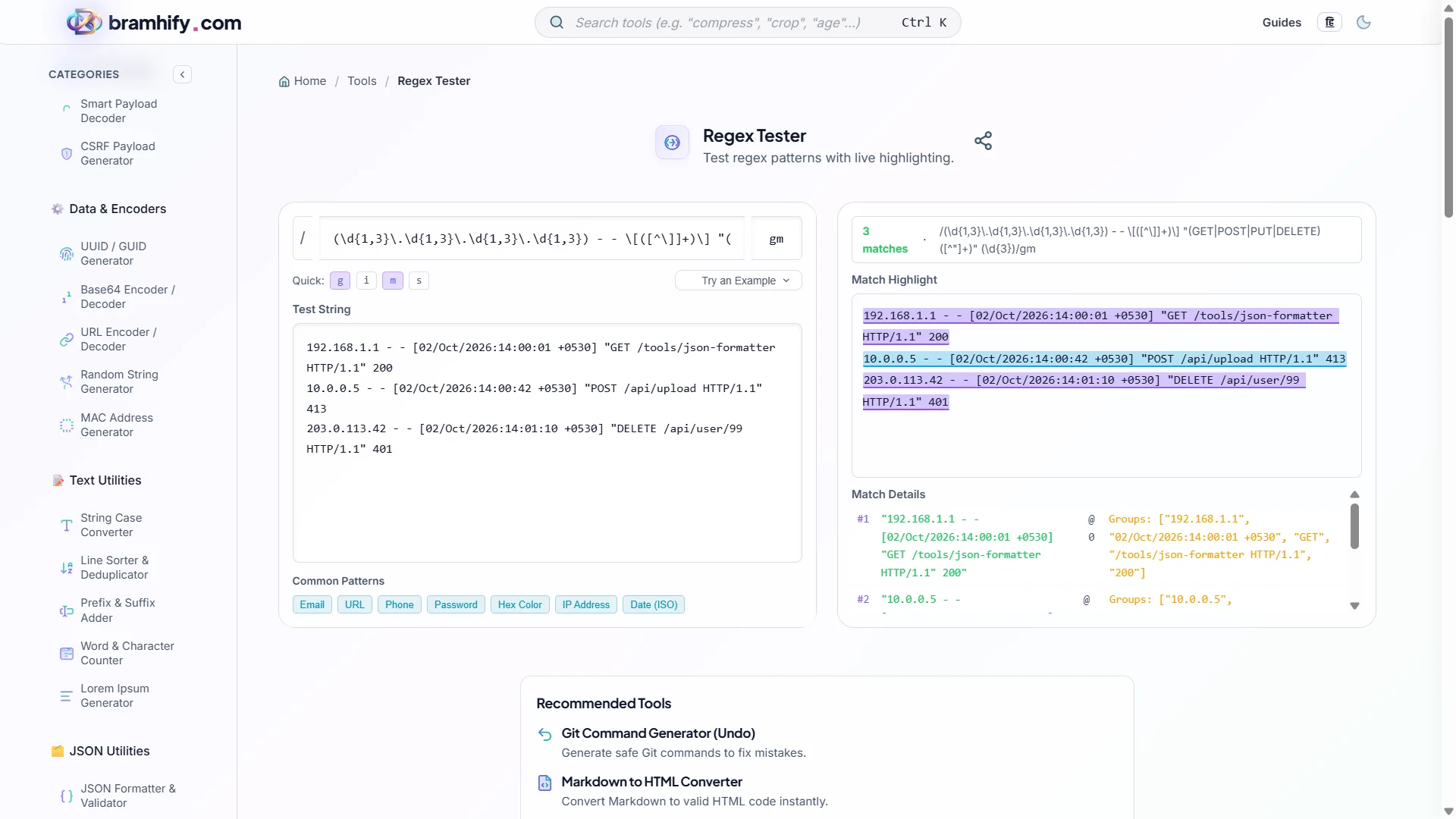
You must contribute meaningful code. Often, this involves working with complex string matching, validation logic, or formatting data. If your regular expressions are incorrect, your PR will fail the automated CI/CD pipeline immediately.
Regex Tester Tool:
Step-by-Step Guide to Your First Contribution
Here is the exact framework to make your first meaningful Open Source contribution.
Step 1: Find the Right Repository
Do not start with React or Linux. Look for smaller, active repositories with the good first issue or help wanted tags on GitHub. Websites like goodfirstissue.dev or up-for-grabs.net curate beginner-friendly issues across various languages.
Step 2: Read the Guidelines
Before cloning the code, read the CONTRIBUTING.md file carefully. It will explain how to set up the project locally, how to run tests, and the required commit message format. Ignoring this file is a guaranteed way to get your PR rejected.
Step 3: Communicate First
When you find an issue you want to tackle, leave a comment on the issue saying, "Hi, I would like to work on this. Could you assign it to me?" Do not start writing code until a maintainer acknowledges you, otherwise someone else might do the same work simultaneously.
Step 4: Write Tests and Validate
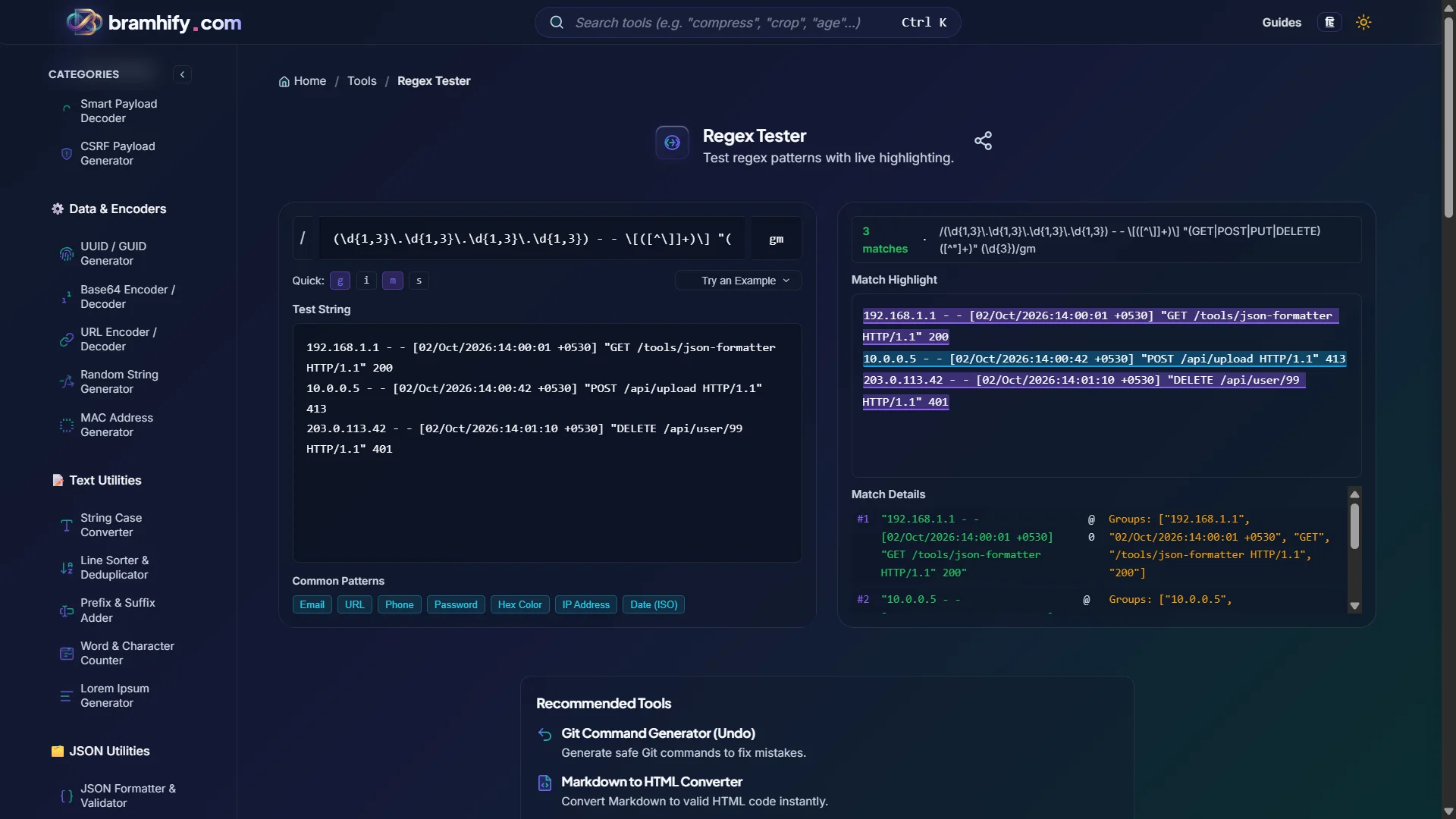
Once you fix the bug or add the feature, write a unit test to prove it works. If your code involves parsing emails, URLs, or specific formats, test your validation patterns extensively. You can use our local Regex Tester to debug your regular expressions before committing them to the codebase.
Step 5: Keep Your Branch Updated
Before submitting, ensure your branch is up to date with the main repository. If you took a few days to write your code, other developers might have merged their changes in the meantime. Running a git rebase or pulling the latest changes prevents messy merge conflicts that maintainers hate dealing with. Keep your git history clean.
Step 6: Submit a Clean Pull Request
When submitting your PR, write a detailed description. Explain exactly what the bug was, how you fixed it, and attach screenshots or screen recordings if it involves a UI change. Link the PR to the original issue (e.g., "Fixes #123"). Be polite, professional, and responsive to feedback during the code review process. Do not ping maintainers aggressively; they are often volunteers reviewing code in their free time.
Frequently Asked Questions (FAQs)
Does Open Source contribution actually help in getting a job?
Absolutely. A merged PR in a respected repository proves to recruiters that you know how to work with Git, read complex codebases, communicate professionally, and write production-level code. It is far more valuable than a standard college project.
What if my Pull Request gets rejected?
Rejection is a normal part of engineering! Maintainers might reject it because it doesn't align with their roadmap, or because the code quality needs improvement. Read their feedback, learn from it, and try again. Every senior developer has had PRs rejected.
Can I contribute if I only know HTML/CSS?
Yes! Many open source projects desperately need help with UI improvements, responsive design fixes, and documentation structure. You don't need to be a systems programmer to add value to the community.