


Note: यह एडवांस्ड टेक्निकल गाइड अभी केवल अंग्रेजी (English) में उपलब्ध है ताकि तकनीकी शब्दों की सटीकता बनी रहे। Notice: This advanced technical guide is currently only available in English to preserve technical accuracy.
The cybersecurity landscape in 2026 is rapidly expanding, but many Indian freshers feel locked out due to the sky-high costs of traditional certifications and bootcamps. Whether you are aiming for a career in DevSecOps, ethical hacking, or cloud security, the truth is that you do not need to spend lakhs to get started. The internet is full of high-quality, free resources that are often better than paid courses.
The Hidden Risk of Skipping Security Fundamentals
Many freshers jump straight into complex penetration testing tutorials without understanding the basics of cryptography, networking, or secure credential management. This leads to burnout and a lack of foundational knowledge when facing technical interviews at top tech companies.
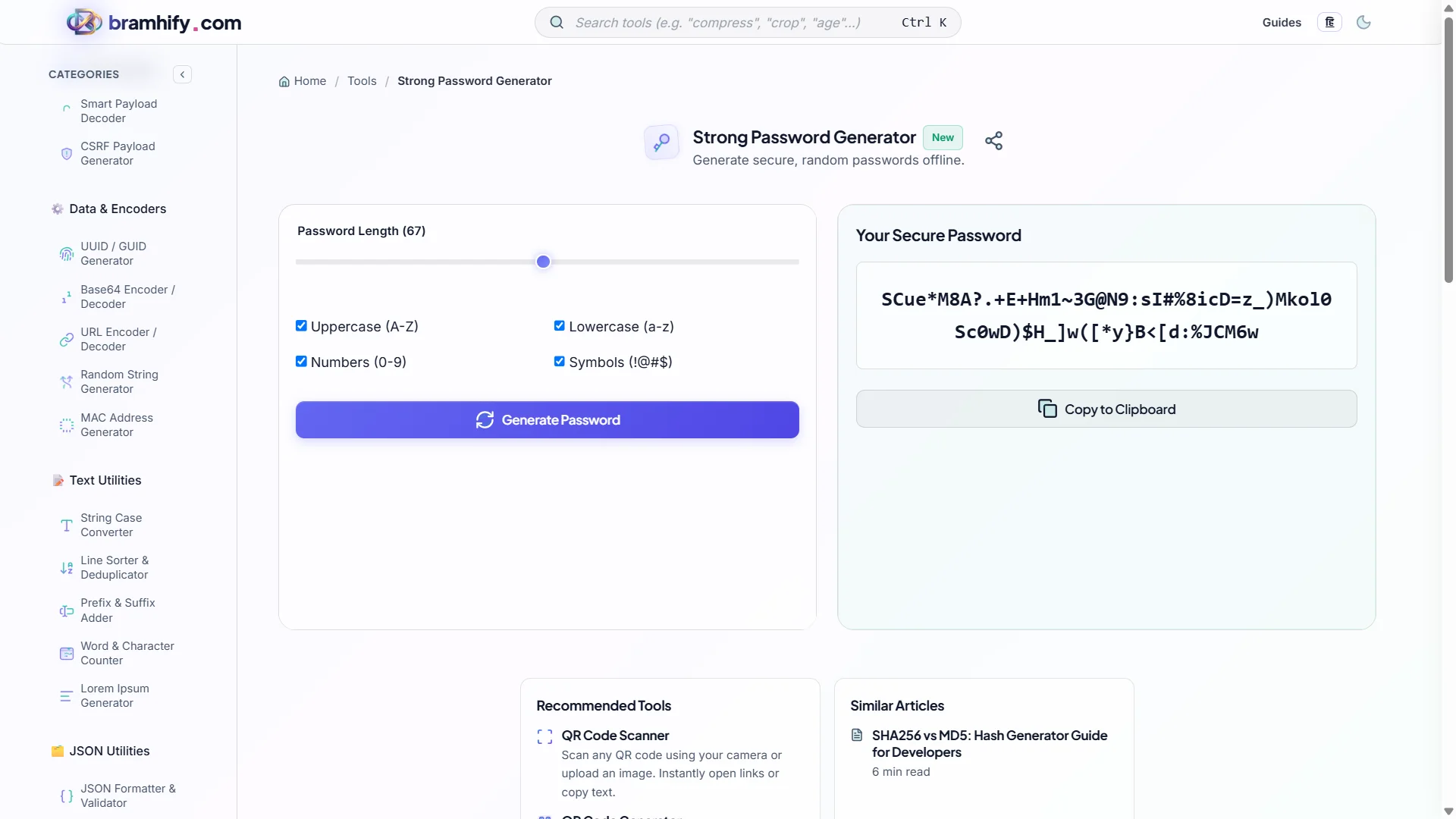
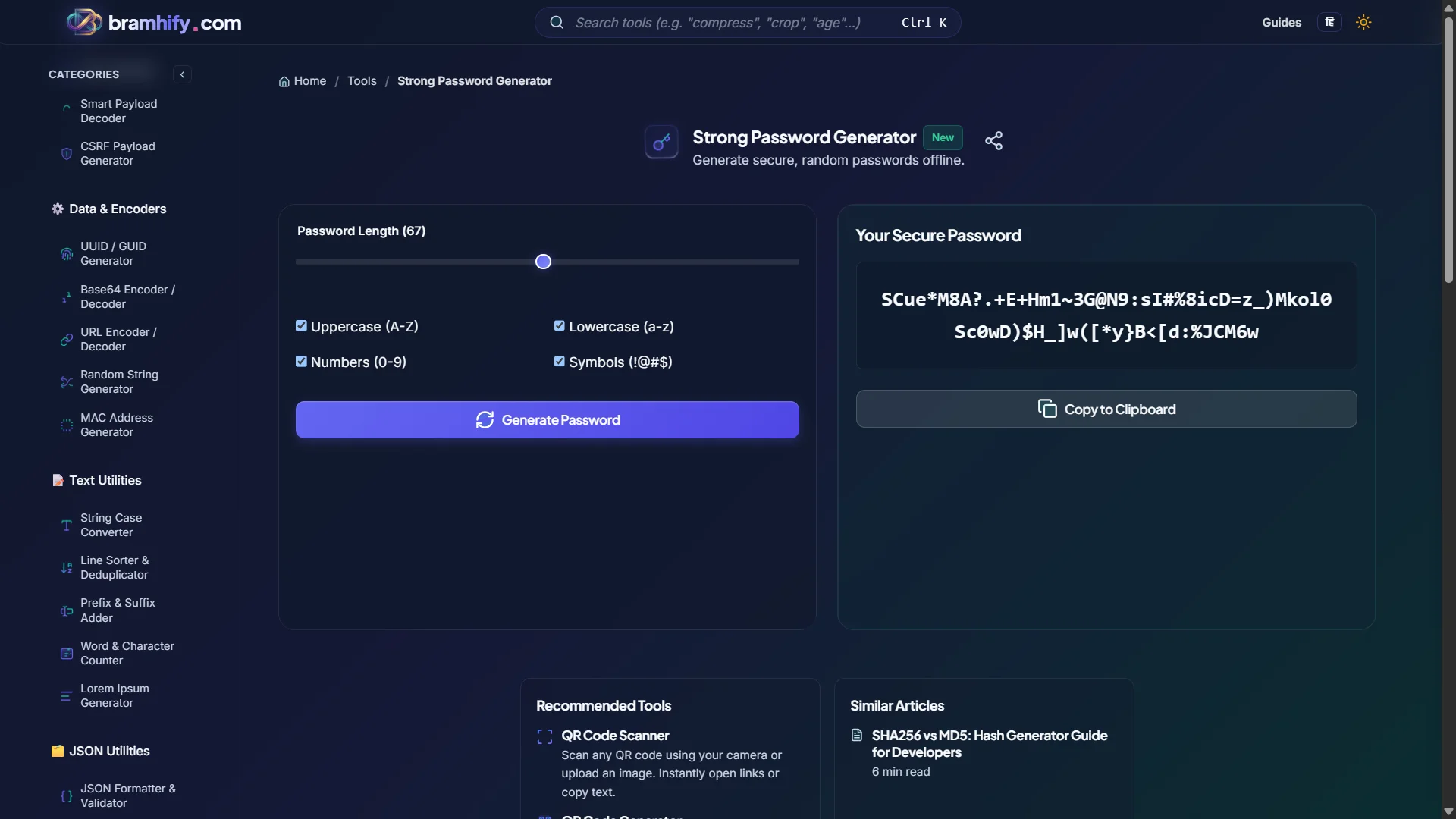
Worse, relying on unverified cloud tools to generate keys, hashes, or passwords during your learning journey can expose your own lab environments to the very threats you are studying. You must practice what you preach: privacy and security begin at home. Bramhify strongly advocates for local, client-side tools. When you generate secure passwords or keys for your home lab, everything should happen on your own device.
Strong Password Generator:

Quick Steps to Launch Your Cybersecurity Career
Here are the best free cybersecurity resources for freshers to build a hands-on portfolio in 2026.
Step 1: Master the Basics with TryHackMe
TryHackMe offers incredible free pathways for complete beginners. Start with the "Pre-Security" and "Complete Beginner" paths. They provide interactive, gamified labs directly in your browser, teaching you networking, Linux fundamentals, and web vulnerabilities from scratch.
Step 2: Learn Linux via OverTheWire
Once you understand the basic concepts, dive into OverTheWire's "Bandit" wargame. It is completely free and is the absolute best way to learn Linux command-line skills. Navigating terminal interfaces is mandatory for any security professional, and Bandit makes it fun.
Step 3: Web Security with PortSwigger Academy
Created by the makers of Burp Suite, the Web Security Academy is the gold standard for application security. It provides free, high-quality labs that mirror real-world bugs, preparing you for bug bounties, VAPT roles, and corporate security engineering.
Step 4: Follow The Cyber Mentor on YouTube
For video learners, The Cyber Mentor (TCM) offers free, full-length ethical hacking courses on YouTube. His pragmatic, real-world approach to network penetration testing and privilege escalation is unmatched in the free education space.
Step 5: Secure Your Own Lab Environment
As you build your own virtual machines and practice environments, use our local Password Generator to secure your databases, root accounts, and admin panels. Practicing good security hygiene from day one is essential. That's it! You're well on your way to becoming a DevSecOps engineer.
Frequently Asked Questions (FAQs)
Are these free cybersecurity resources enough to get a job?
Yes, many top-tier cybersecurity engineers are completely self-taught. Combining these free labs with hands-on projects, detailed write-ups, and a strong GitHub portfolio is often much more valuable to hiring managers than a basic paid certification.
Why is local processing important for password generation?
When setting up security labs, cloud servers, or personal accounts, using online generators that transmit your passwords over the internet leaves you vulnerable to interception and supply chain attacks. Local, client-side processing guarantees your cryptographic keys remain 100% private.
What is the best programming language for a cybersecurity fresher?
Python remains the undisputed king for scripting, automation, and security tooling in 2026. It is highly recommended that you learn Python alongside your core networking and system administration fundamentals to automate repetitive tasks.