

Cracking a high-paying product-based company in India still heavily relies on your mastery of Data Structures and Algorithms (DSA). With hundreds of creators promising to help you "Crack FAANG in 30 Days," the sheer volume of content is overwhelming.
We have ranked the best YouTube channels for DSA based purely on teaching quality, conceptual clarity, and relevance to actual coding rounds.
The Hidden Risk of "Hustle Culture" Coding
A major mistake freshers make is falling for channels that prioritize hype over deep learning. Watching someone solve 10 LeetCode hards in an hour might look impressive, but it does not teach you the underlying patterns (like Sliding Window or Two Pointers). If you only memorize solutions without understanding the bits and bytes of the data structures, you will fail when the interviewer slightly modifies the question.
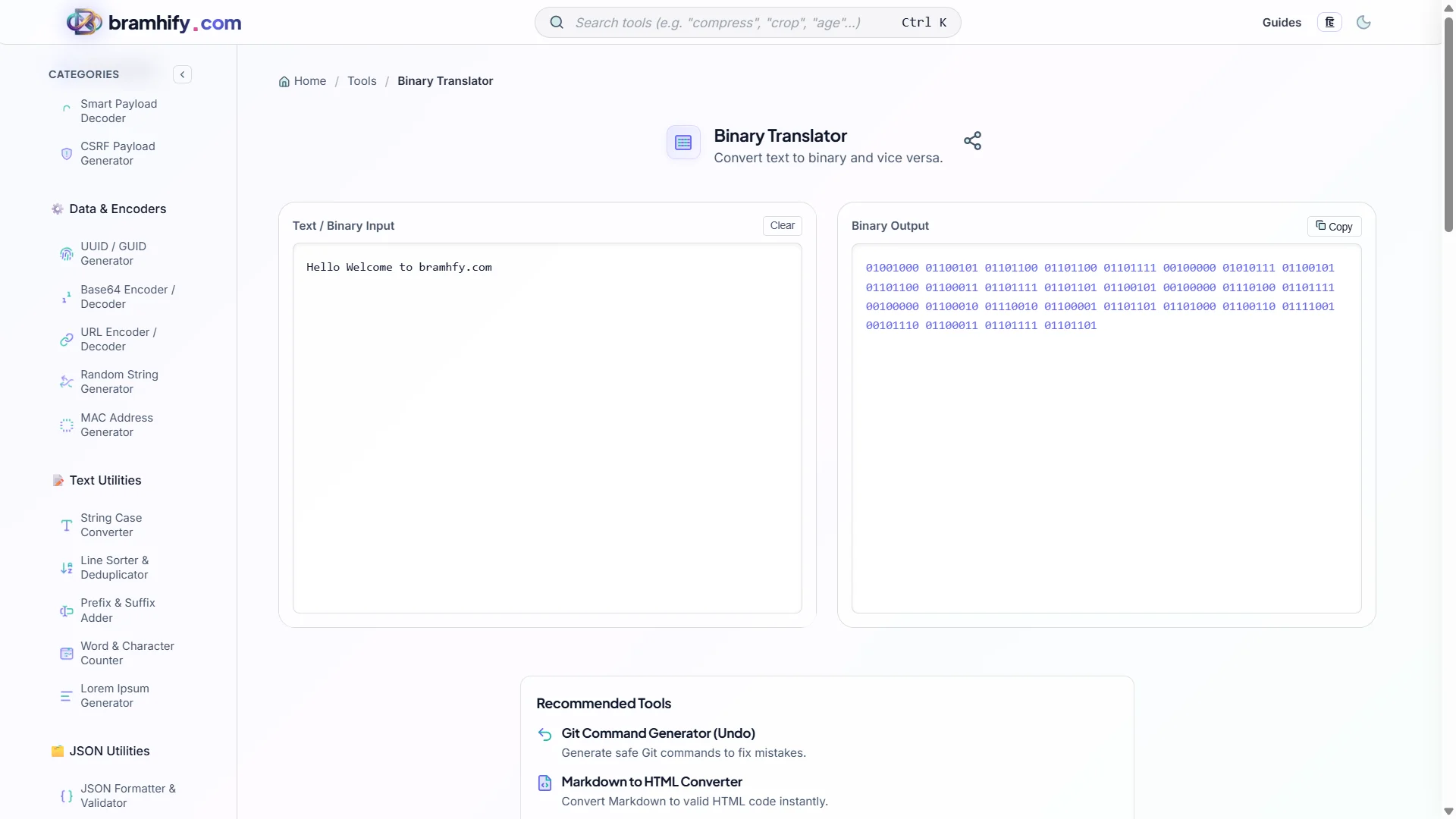
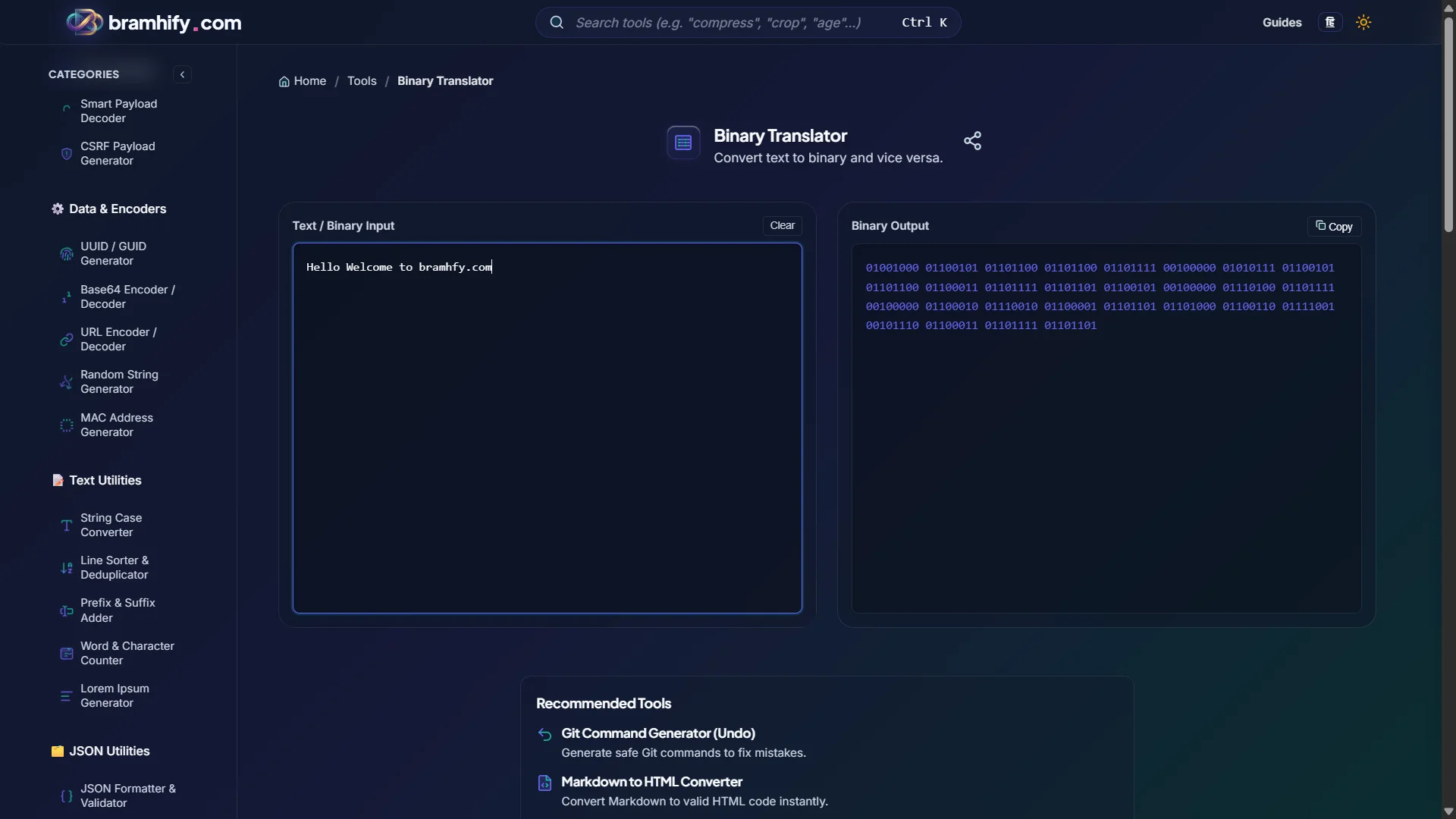
Understanding low-level data manipulation, bits, and binary is crucial for competitive programming.
Binary Translator Tool:
Top 5 Channels to Master DSA
These channels focus on pattern recognition, whiteboarding, and deep conceptual understanding.
1. NeetCode (The Gold Standard)
NeetCode is universally accepted as the best resource for interview preparation. He doesn't just solve problems; he explains the core algorithmic patterns. His "NeetCode 150" list is the most efficient way to study. He maps out the logic visually before writing a single line of code.
2. Take U Forward (Striver)
Raj Vikramaditya (Striver) is a phenomenon in the Indian coding community. His "Striver's SDE Sheet" and detailed playlist on Graphs and Dynamic Programming are legendary. If you are struggling with complex DP states or graph traversals, his step-by-step tree diagrams are a lifesaver.
3. Abdul Bari
If you want to understand the pure computer science theory behind algorithms (Time Complexity, Master Theorem, AVL Trees), Abdul Bari is unmatched. While he doesn't focus on LeetCode grinding, his whiteboarding sessions build a rock-solid foundation that will make advanced topics much easier.
4. Back To Back SWE
Although less active recently, this channel's older videos on Dynamic Programming and Backtracking remain some of the best on the internet. They focus heavily on the intuition and the "why" behind the recursive calls, rather than just the final solution.
5. William Fiset
For deep dives into advanced data structures like Segment Trees, Fenwick Trees, and Network Flow, William Fiset provides incredible animated explanations. This is highly recommended for competitive programmers or those targeting HFTs (High-Frequency Trading firms).
The Ideal DSA Roadmap for 2026
Watching YouTube videos passively will only give you the illusion of competence. To actually clear FAANG-level interviews, you need a structured approach. Here is the recommended roadmap to complement your video learning:
1. Build the Foundation (Weeks 1-4)
Start by mastering Time and Space Complexity. If you cannot calculate the Big O notation of a simple nested loop, you are not ready for LeetCode. Then, move to Arrays, Strings, and basic Math operations. Striver's channel is perfect for this phase because he explains the absolute basics in an easy-to-understand manner.
2. Core Data Structures (Weeks 5-8)
Once you are comfortable with basic arrays, start diving into Hash Maps, Linked Lists, Stacks, and Queues. Focus on the core mechanics. Understand how collision resolution works in a Hash Map and how to reverse a Linked List both iteratively and recursively. NeetCode's visual explanations will be your best friend here.
3. Algorithmic Paradigms (Weeks 9-12)
This is where most candidates give up. You need to master Two Pointers, Sliding Window, Binary Search, and Recursion. Do not just memorize the code. You must understand why a problem can be solved with a Sliding Window instead of a brute-force loop.
4. Advanced Topics (Weeks 13-20)
Finally, tackle Trees, Graphs, Dynamic Programming, and Backtracking. These are the topics that separate average candidates from top-tier engineers. Abdul Bari's whiteboard sessions on these topics will give you the deep theoretical understanding needed to solve unseen problems.
How to Practice Effectively After Watching
Watching a 40-minute video on Dijkstra's Algorithm is only 20% of the work. The real learning happens when you write the code yourself.
- The 30-Minute Rule: When attempting a new problem, struggle with it for at least 30 minutes before looking at a solution or watching a video. If you immediately watch the video, your brain won't form the necessary neural pathways to recognize the pattern next time.
- Dry Run with Pen and Paper: Before writing code in an IDE, dry run your logic on paper with a small test case. This mimics the whiteboard environment of real interviews.
- Spaced Repetition: If you solved a difficult Dynamic Programming problem today, revisit it next week. Don't just solve it once and forget it.
- Mock Interviews: Use platforms like Pramp or Interviewing.io to practice speaking your thoughts out loud. Many candidates can write the code but fail the interview because they cannot explain their thought process to the interviewer.
Common Mistakes to Avoid in DSA Interviews
- Jumping Straight to Code: The biggest red flag in an interview is starting to write code before discussing the approach. Always explain your brute-force solution, optimize it, discuss the time complexity, and get the interviewer's approval before writing a single line of code.
- Ignoring Edge Cases: Always consider what happens if the input array is empty, contains negative numbers, or is extremely large.
- Poor Variable Naming: Naming variables
i,j,x, andymakes your code unreadable. Use descriptive names likeleftPointer,maxSum, orcurrentNode. - Not Testing Your Code: Once you finish writing, mentally trace through your code with a sample input. Catching your own bugs shows the interviewer that you are a careful and thorough engineer.
Frequently Asked Questions (FAQs)
Which programming language is best for DSA interviews?
C++ and Java are the most popular choices in India due to their robust standard template libraries (STL) and speed. However, Python is increasingly accepted and allows you to write cleaner, faster code during high-pressure whiteboard interviews.
Why is bit manipulation important in DSA?
Many advanced optimization problems require bit manipulation. Understanding how data is stored in binary allows you to perform operations in O(1) time. You can experiment with converting text and numbers using our Binary Translator to build an intuition for bitwise operations.
Should I pay for a DSA bootcamp?
For 95% of candidates, no. The free content on YouTube, combined with consistent practice on platforms like LeetCode and GeeksForGeeks, is more than sufficient to crack top companies. Paid bootcamps mainly provide structured accountability, not secret knowledge.